Teapot Sketch: A Designer's Review for Embroidery Projects
As a designer who spends more time staring at stitch previews than I do sleeping, I know the difference between a graphic that looks cute on a screen and one that actually translates well into thread. When I first pulled up the Teapot Sketch, my initial reaction wasn't just about the aesthetic; it was about feasibility. This illustration, categorized under Illustrations and Graphics, carries a specific mood—it feels whimsical, hand-drawn, and slightly rustic. For those of us running small shops or creating personalized gifts, that "sketch" vibe is gold. It suggests warmth and hospitality, making it an instant candidate for kitchen textiles and cozy apparel.
The Visual Personality and First Impressions
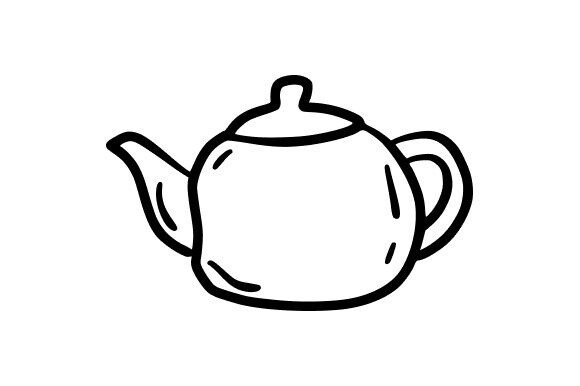
The charm of the Teapot Sketch lies in its line work. Unlike heavy, blocky vector art that demands thick satin columns, a sketch style often relies on finer details to convey its character. In a digital format, these lines might look crisp and perfect. However, when we talk about converting this into a machine embroidery design, we have to think about how thread behaves. Thread has volume. It doesn't lay flat like ink. My first thought upon reviewing this asset was how it would handle the transition from a 2D digital embroidery file to a textured finished product. The layout feels balanced, likely centering the teapot as the hero element, which is ideal for standard hoop placements on tote bags or aprons.
Real-World Application: The Boutique Tea Towel Scenario
Let's get practical. Imagine you are preparing a batch of custom linen tea towels for a holiday market. You want something that feels handmade but professional. The Teapot Sketch fits this scenario perfectly. Because the theme is drinkware and kitchen-related, it naturally belongs on items that live in the culinary space. If I were stitching this onto a waffle-weave towel, I would be mindful of the fabric texture. A sketch design can sometimes get lost if the fabric is too busy or if the stitch density is too low.
In this real-life case, I would recommend using a cut-away stabilizer rather than a tear-away. Sketch designs often utilize running stitches or fine satin work to mimic pencil lines. If the stabilizer gives way after a few washes, those delicate lines will pucker, ruining the "hand-drawn" illusion. For a small shop product like this, durability equals customer trust. A buyer wants their new towel to survive the dishwasher or frequent hand washing without the embroidery turning into a tangled mess.
Apparel and Custom Gifts
Beyond the kitchen, this design has legs in the custom apparel world. Picture a heather grey sweatshirt with the Teapot Sketch embroidered on the left chest or centered on the back. The neutral tones of a sketch allow it to pop against darker fabrics without needing excessive white underlay that can sometimes look bulky. For baby embroidery, such as a bib or a onesie, the softness of the sketch theme works well, provided the stitch count isn't too high. Babies have sensitive skin, so avoiding dense fill stitch areas in favor of lighter running or satin details is crucial. If the original graphic is dense, you may need to ask your digitizer to lighten it up before stitching.
Technical Considerations for Embroiderers
While the Teapot Sketch is versatile, it requires a critical eye before you hit "start" on your machine. Here are the specific areas where I would exercise caution:
- Hoop Size Constraints: Ensure the design fits your available hoop. Sketches often have wide, sweeping lines that might get cut off if forced into a small 4x4 hoop. Always check the dimensions against your machine's capabilities.
- Thread Color Contrast: Since this is a sketch, it likely relies on a single color or very few colors to define the shape. On dark fabrics, ensure your thread has enough contrast. A dark blue sketch on a black sweatshirt will vanish.
- Curved Surfaces: If you plan to put this on a cap, be careful. Caps are curved, and straight lines in a sketch design can look warped if not positioned correctly on the front panel.
- Small Details: Look closely at the spout and handle. In a low-resolution preview, these might look fine, but in thread, tiny gaps can close up. Verify that the embroidery file has enough separation between elements.
Enhancing Brand Value and Presentation
For Etsy sellers and creative entrepreneurs, the visual appeal of your product photos is everything. The Teapot Sketch offers a clean, recognizable silhouette that photographs beautifully. Whether you are creating printable mockups for your online store or taking photos of the actual handmade product, the clarity of the design helps. It signals professionalism. A sloppy, pixelated, or poorly stitched teapot tells a customer you don't care about quality. A crisp, well-executed sketch tells them you are an artisan. This distinction directly impacts your pricing power and buyer engagement.
Furthermore, consistency is key for boutique branding. If your shop specializes in cozy, home-style goods, this illustration reinforces that identity. It acts as a visual anchor that customers will begin to associate with your brand. Using it across different mediums—patches, pillows, and aprons—creates a cohesive collection that feels curated rather than random.
Final Verdict and Designer Notes
Before committing to a production run, always test the design on scrap fabric that matches your final material. This is non-negotiable. Check how the satin stitch edges lay and whether the running stitch details skip. If you are selling these items commercially, double-check the licensing terms associated with the Graphics file. Just because you bought the illustration doesn't automatically mean you have the right to sell unlimited physical goods made from it; some licenses restrict commercial use or require attribution.
The Teapot Sketch is a strong contender for any designer looking to add a touch of whimsy to their catalog. It bridges the gap between modern minimalism and traditional craft. However, its success relies entirely on execution. Respect the limitations of the thread, choose the right stabilizer, and match it to the appropriate fabric. When done right, this design transforms simple cloth into a cherished personalized gift or a best-selling craft business item. It is not just a picture of a teapot; it is an invitation to slow down and enjoy a warm cup, stitched with intention.