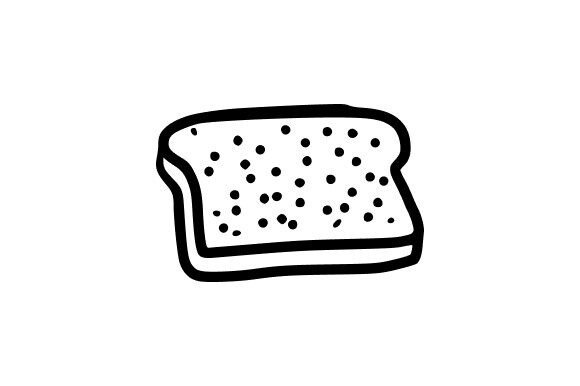
Sliced Bread Sketch: A Designer's Review for Embroidery
As a designer who spends more time staring at stitch previews than actual sleep, I am always skeptical when I see a graphic labeled as an "illustration" or "graphic" being pitched for embroidery. Usually, these Sliced Bread Sketch files are beautiful on a screen but a nightmare under the needle. However, after pulling this specific sandwich ingredient icon into my digitizing software and running a few test stitches, I found myself pleasantly surprised by its potential for real-world application. This isn't just a clipart image; with the right approach, it is a viable machine embroidery design that can elevate a variety of handmade products.
The first thing that strikes me about the Sliced Bread Sketch is its visual personality. It carries a whimsical, hand-drawn mood that feels incredibly current in the boutique market. Unlike rigid, geometric vector art that often looks sterile when stitched, this sketch style embraces a bit of organic imperfection. For an Etsy seller or a small shop owner, this is gold. It signals "handmade" before the customer even touches the fabric. The layout is simple yet distinct, making it an ideal candidate for projects where you need immediate recognition without overwhelming detail.
Real-World Application: The Kitchen Towel Test
To truly evaluate any embroidery project, I believe in testing it in a scenario where it will actually live. I decided to visualize this design on a waffle-weave kitchen towel, a popular item for holiday gifts and housewarmings. The concept of embroidering a bread slice on a towel meant for baking or serving sandwiches is a no-brainer thematically. When I mapped out the Sliced Bread Sketch for this use case, the scale felt perfect. It wasn't so large that it dominated the towel, nor so small that the details would get lost in the texture of the waffle weave.
Imagine a set of these towels packaged with a loaf of artisan sourdough as a hostess gift. The finished product exudes a level of thoughtfulness that mass-produced items simply cannot match. For custom apparel, I could also see this working beautifully on the pocket of a denim apron for a baker or barista. The sketch style complements the rugged texture of denim, creating a cohesive look that feels intentional rather than slapped on. Whether you are creating sweatshirt embroidery for a cozy bakery staff uniform or adding a touch of humor to a tote bag design, the versatility here is significant.
Navigating Fabric Textures and Stitch Types
While the design is strong, we must talk about the technical execution. A sketch-style graphic often relies on fine lines, which translates to running stitch or very narrow satin stitch columns in the digital file. If you are working with a textured fabric like a heavy linen or a looped terry cloth, you need to be careful. The stitch density needs to be sufficient to cover the fabric gaps, but not so dense that it causes puckering.
If the embroidery file you purchase utilizes a fill stitch for the interior of the bread slices, ensure the angle of the stitching complements the shape. A straight fill might look too mechanical for a sketch design; a slightly varied or random fill pattern often mimics the hand-drawn aesthetic better. For those considering this as an applique design, the outline provided in the sketch could serve as a fantastic guide for cutting fabric shapes, adding a tactile dimension to the final piece. Just remember to account for the extra bulk if you are stitching on stretchy fabrics like jersey knits for baby embroidery projects.
Commercial Viability and Brand Consistency
For craft business owners, consistency is key to building trust. Using a cohesive set of icons, such as this bread sketch alongside other sandwich ingredients, can help establish a recognizable brand identity. If you sell printable mockups or design assets to other creatives, ensuring that your source graphics translate well into physical goods is a major selling point. Buyers want to know that the digital embroidery file they purchase will result in a professional-looking small shop product.
The Sliced Bread Sketch performs well in this regard because it avoids trendy elements that might date quickly. It is a classic food icon with a modern twist. This longevity means you can include it in your catalog for commercial embroidery jobs without worrying about it looking outdated next season. It works equally well for holiday embroidery—think Thanksgiving centerpieces—or everyday wear. The neutral subject matter allows it to fit into various color palettes, from earthy tones for a rustic vibe to bright primaries for a playful children's line.
Critical Considerations Before Stitching
Before you commit to stitching this on a client's expensive garment, there are a few practical steps you must take. First, always test the design on scrap fabric that matches the weight and texture of your final material. What looks crisp on a smooth cotton might blur on a fuzzy fleece. Check the thread colors carefully; a sketch design often relies on contrast to define its shape. If you are stitching on a dark fabric, ensure the outline is thick enough or uses a contrasting underlay to prevent the background from showing through.
Pay close attention to the hoop size requirements. While this design appears compact, ensure your machine can handle the specific dimensions without needing to re-hoop, which can lead to alignment issues. If you are planning to use this on curved surfaces like caps or hats, verify that the design isn't too wide, as distortion can occur on the front panel. Additionally, inspect any tiny details or corners in the sketch. Sharp points in a drawing can sometimes turn into bird nests if the digitizer hasn't programmed proper tie-offs or if the stabilizer isn't robust enough.
Finally, a note on licensing. Since this originates as an illustration intended for print and web, you must confirm the license terms before using it for commercial embroidery or selling it as a digitized file. Not all graphics grants rights for physical resale or redistribution as an embroidery file. Clear communication with the original creator or a thorough read of the license agreement is essential to protect your craft business.
In conclusion, the Sliced Bread Sketch is more than just a cute icon; it is a functional asset for the thoughtful maker. When treated with the respect of a true embroidery design—considering fabric, thread, and stabilizer—it transforms from a simple graphic into a charming element of a personalized gift or a standout feature in a boutique collection. It bridges the gap between digital art and tactile craft, offering a fresh way to decorate everything from tote bags to pillow covers. As with any tool in our creative arsenal, its success depends on the skill of the operator, but the raw material here is undeniably solid.