Paper Colored Icons: Graphics for Digital Shops
As someone who has spent years building a portfolio of digital products for Etsy and Creative Fabrica, I approach every new graphic design asset with a critical eye. It is not just about whether an image looks pretty on a screen; it is about whether it can survive the rigors of commercial use, from print-on-demand merchandise to high-resolution printable design files. Recently, I evaluated the Paper Colored Icons collection to see if it fits into my upcoming seasonal product launch. My goal was to determine if these assets could serve as the foundation for a cohesive line of Etsy products that appeal to modern buyers looking for simplicity and charm.
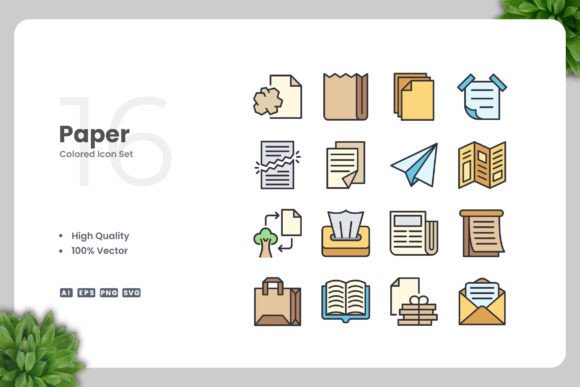
The first impression of Paper Colored Icons is one of understated elegance. The mood is distinctly modern yet retains a tactile, handmade feel that resonates well with the current trend toward organic textures in small business branding. Visually, the style leans minimal and decorative without being overly busy. This specific aesthetic attracts a demographic that values clean lines and soft color palettes—think planners, nursery decor, and lifestyle blogs. Unlike bold, aggressive vector art, these Icons offer a gentle visual personality that works exceptionally well for feminine or neutral-themed collections. For a seller, this means the potential audience is broad, ranging from crafters making wedding invitations to designers creating social media templates for wellness coaches.
Integrating Assets into Real Product Lines
When testing Paper Colored Icons for a real shop scenario, I imagined preparing a "Back to School" or "Spring Organization" bundle. The versatility of these Graphics allows them to be deployed across a wide spectrum of items. For instance, they are ideal for creating SVG design files that Cricut users can cut into vinyl for planner stickers or laptop decals. Because the shapes are distinct, they translate well into sublimation design projects for mugs and tumblers, where the soft paper texture adds depth to the final print.
Beyond physical goods, these assets shine in the realm of digital downloads. I could easily assemble a Canva template kit for bloggers, using these icons as bullet points or section dividers in e-books and worksheets. They are also perfect for clipart bundles sold to other designers who need quick elements for their own layouts. If I were selling greeting cards or invitation templates, the Paper Colored Icons would serve as charming focal points that do not overpower the text. For t-shirt design, they work best on pocket prints or as part of a larger, scattered pattern on tote bags, offering a subtle nod to creativity rather than a loud statement.
Enhancing Product Presentation and Trust
In the crowded creative marketplace, visual hierarchy is everything. Using Paper Colored Icons in your product mockups can significantly boost perceived value. When I place these icons in a product mockup showing a printed planner page or a branded coffee mug, the consistency of the style creates a sense of professional brand identity. Customers are more likely to trust a listing where the thumbnail images look cohesive and thoughtfully designed. These Icons help tell a visual story, suggesting that the product is part of a curated collection rather than a random assortment of files.
Furthermore, these assets improve click-through potential. A thumbnail featuring a clean, colorful icon against a white background often stands out more than a cluttered, complex image. By using these Graphics to create seasonal collections or themed bundles, sellers can encourage larger average order values. For example, grouping a set of nature-themed icons with matching digital papers creates a comprehensive design bundle that feels like a complete solution for the buyer.
Strategic Placement and Limitations
While Paper Colored Icons are versatile, they are not a one-size-fits-all solution. They work best in large product previews, decorative layouts, and packaging design where the texture and color can be appreciated. They are excellent for social media graphics and promotional visuals where clarity is key. However, sellers must exercise caution. These icons might lose definition if used as tiny details on complex sticker sheets or if placed on dark backgrounds without proper contrast adjustment. Since the style relies on a specific "paper" look, they may not suit projects requiring sharp, solid cutting lines for intricate Cricut projects unless the user is experienced with weeding small details.
Additionally, avoid using them in text-heavy templates where they might compete with the typography. In printable design files intended for low-resolution home printers, the subtle texture might muddy if the file settings are not optimized. It is crucial to ensure that the PNG design files have transparent backgrounds and sufficient resolution to prevent pixelation when scaled up for posters or banners.
Practical Notes for the Commercial Seller
Before listing any product made with Paper Colored Icons, rigorous testing is essential. Always test the design on real mockups to see how the colors interact with different materials, such as ceramic, fabric, or matte paper. Preview your listings as marketplace thumbnails to ensure the icons remain recognizable at small sizes. Check how the colors appear on both white and dark backgrounds to guarantee versatility for your customers.
If you are offering these as part of a commercial design package, verify the commercial license terms thoroughly. Ensure you are allowed to sell finished products like mug designs or sticker designs derived from these assets. Organize your files clearly; if you are selling a bundle, include various formats like SVG, PNG, and perhaps editable vector files so customers can resize or change colors using vector software. Pair these icons with complementary typography—serif fonts for an elegant look, sans serif for modernity, or handwritten fonts for a personal touch—to enhance the overall aesthetic.
Ultimately, Paper Colored Icons represent a solid investment for creators focusing on clean, adaptable, and commercially viable products. Whether you are building a handmade business or scaling a digital download shop, these assets provide the flexibility needed to create professional, appealing products that stand out in a competitive market.